When the Grocery Bill Wins: How Rising Prices Are Quietly Reshaping the American Breakfast Table

For decades, breakfast held a special place in the American budget. It was the cheap meal — the one where a couple of eggs, a sleeve of bacon, and a loaf of bread could carry a family through the week without much financial stress. That quiet assumption has been unraveling.
Over the past few years, the cost of nearly every breakfast staple has climbed in ways that have caught households off guard. Eggs, once the great equalizer of the morning table, saw average retail prices more than double at their peak. Butter, orange juice, oats, bread — the whole lineup took a hit. And while some prices have eased slightly, the cumulative effect on how Americans eat in the morning is proving to be lasting.
The Numbers Behind the Morning Squeeze
According to USDA data, food-at-home prices rose more than 25% between 2020 and 2024 — a pace that far outstripped wage growth for many working families. Breakfast foods were among the hardest hit. Egg prices became something of a cultural flashpoint, sparking memes, news segments, and genuine anxiety at the grocery store. But it wasn't just eggs. Maple syrup, cream cheese, and even frozen waffles quietly crept up in price, often without the fanfare.
For a family of four eating breakfast at home every day, those increases add up fast. What might have cost $30 to $35 a week in breakfast groceries in 2019 can now run $50 or more, depending on the region and the store. That's real money — especially for households already stretching every dollar.
Low- and middle-income families have felt this most acutely. Higher-income households, while not immune to sticker shock, have more financial flexibility to absorb price swings or pivot to different options. But for families operating closer to the margin, the math gets harder. Something has to give — and often, it's breakfast.
What Families Are Actually Cutting
Talk to enough people about their morning routines and a pattern emerges. The first things to go tend to be the extras — the fresh-squeezed juice, the specialty granola, the good bacon. Then come the substitutions: store-brand everything, dried beans instead of deli meat, oatmeal replacing cereal when the price gap gets wide enough.
For some families, the changes go deeper. Breakfast portions shrink. The hot, made-from-scratch morning meal gives way to grab-and-go options — or, in some cases, skipping breakfast entirely. That last shift carries real consequences. Research consistently shows that eating breakfast supports better concentration, mood stability, and energy levels, particularly for kids. When financial pressure chips away at that habit, the effects don't stay at the table.
Food banks and community organizations have noticed the shift too. Demand for breakfast-related items — cereal, shelf-stable milk, peanut butter, oatmeal — has increased in many parts of the country. Morning hunger, which advocates have long pointed to as an underreported issue, has become more visible.
The Creative Pivot: Budget Cooking That Still Feels Like Home
Here's where the story gets a little more hopeful. American home cooks, when pushed, are remarkably resourceful. And some of the most comforting, satisfying breakfasts don't actually require much money — they just require a bit of know-how.
Oatmeal, for instance, is experiencing something of a quiet renaissance. At around $0.15 to $0.25 per serving for rolled oats, it's one of the most affordable breakfasts you can make. Dressed up with a banana, a drizzle of honey, or a spoonful of peanut butter, it punches well above its price point in terms of comfort and staying power.
Eggs — even at elevated prices — remain one of the better values in the protein world when you do the per-serving math. A six-egg frittata stretched with whatever vegetables are on hand can feed a family of four for under $4. Breakfast burritos made with scrambled eggs, canned black beans, and a sprinkle of shredded cheese cost almost nothing and reheat beautifully for busy mornings.
Banana pancakes — just mashed banana, eggs, and a pinch of baking powder — have circulated on social media for years, but they've found new relevance as a genuinely budget-friendly alternative to boxed pancake mix. Toast with avocado or peanut butter, yogurt parfaits built from store-brand yogurt and frozen fruit, sheet-pan hash browns using whatever produce needs to be used up — these are the kinds of solutions real families are leaning on.
The Diner Dilemma
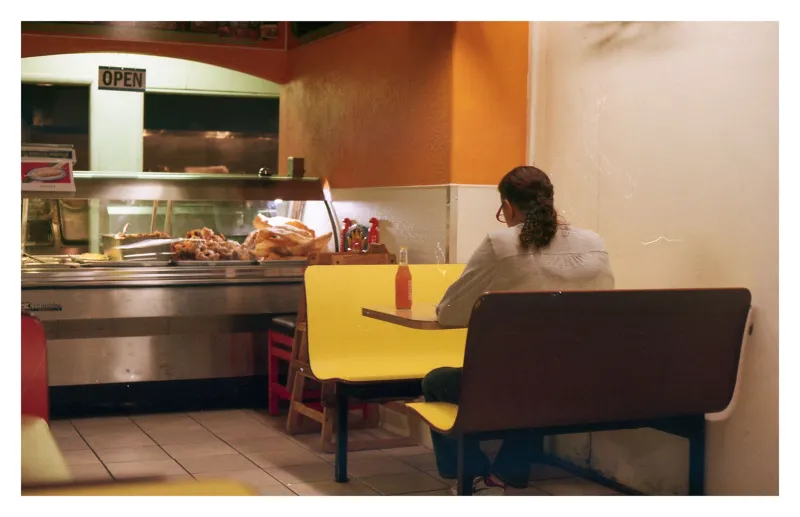
Of course, not everyone eats breakfast at home. The neighborhood diner — a cornerstone of American morning culture — has faced its own inflation reckoning. Menu prices at casual breakfast spots have risen significantly, with a plate of eggs, bacon, and toast that might have cost $7 or $8 a few years ago now regularly landing at $12 to $15 or more in many cities.
For some families, the weekend diner trip has shifted from a regular treat to a genuine splurge. Others have cut it out altogether. That's a loss that goes beyond dollars — those meals carry a social weight, a sense of occasion, a ritual that mattered. Finding ways to recreate that feeling at home, even imperfectly, has become part of how families are coping.
A big batch of pancakes on Saturday morning, a proper spread of eggs made to order, a pot of good coffee — these small productions can carry a lot of the same emotional freight as a restaurant meal, at a fraction of the cost.
What Comfort Still Costs
There's something worth sitting with here. Breakfast, more than any other meal, is tied up in feelings of safety, routine, and care. It's the meal that says someone is looking out for you. When inflation makes that meal harder to provide, it's not just a budget problem — it's an emotional one.
Families aren't just recalculating grocery lists. They're navigating a quiet grief over the small rituals that used to feel effortless. The Saturday pancake stack. The school-morning scramble. The simple act of putting something warm on the table before the day begins.
Budget cooking can absolutely deliver comfort — that's real, and it matters. But it's also worth acknowledging that the extra time, creativity, and mental energy required to eat well on a tighter budget is its own kind of cost. One that doesn't show up in the grocery receipt.
At YiHop, we believe that every morning deserves to feel like home — and we know that making that happen looks different for everyone right now. The best we can do is keep sharing the ideas, the recipes, and the honest conversations that help people get there, whatever their budget looks like this week.