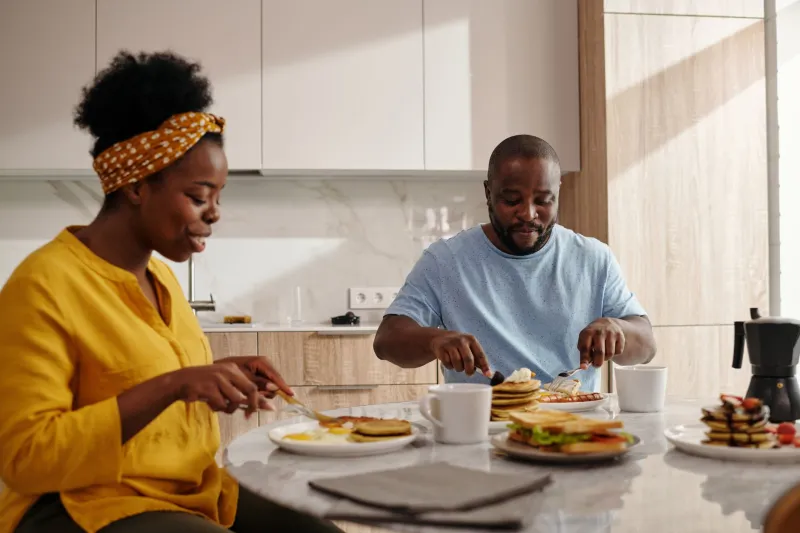
Why Your Neighborhood Breakfast Spot Is Packed on a Tuesday (While the Chain Down the Street Is Empty)
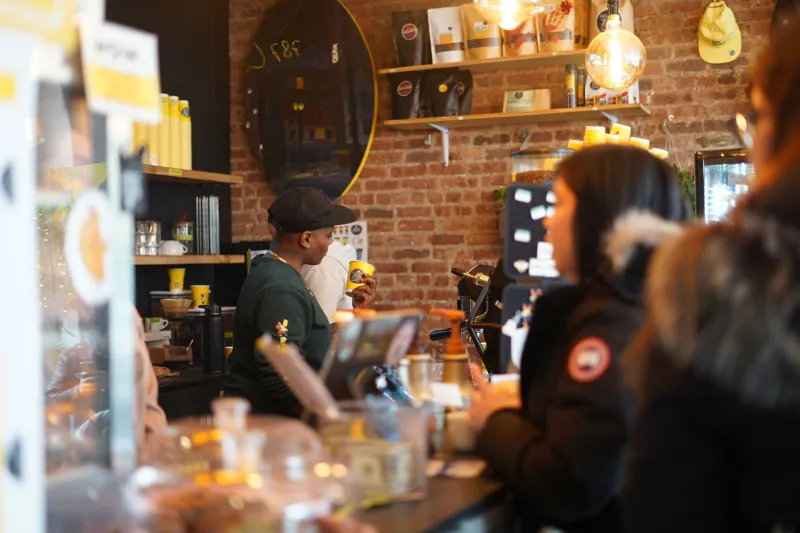
Drive down any commercial strip in America and you'll notice a pattern that would have seemed strange ten years ago. The IHOP or Denny's that used to anchor one end of the block is quieter than it used to be — maybe shorter hours, maybe a few too many empty tables at 9 AM. But a few blocks over, the little place with the hand-lettered sign and the line out the door on weekends? Absolutely slammed. Every morning.
This isn't a coincidence. It's economics — and it's a story about what American breakfast customers actually want right now.
The Numbers Don't Lie
The breakfast and brunch segment of the restaurant industry has been one of the most resilient categories in food service over the past several years. Morning dining held up better than lunch or dinner during the pandemic disruptions, and it's continued to grow even as consumers have gotten more careful about discretionary spending.
But the growth isn't evenly distributed. Major breakfast chains have faced a rough stretch: rising food costs, labor challenges, and declining foot traffic have forced closures and restructuring across several big names. Meanwhile, independent breakfast spots — the kind with a rotating daily special written on a chalkboard and a cook who's been there since before you were born — have shown remarkable staying power.
The National Restaurant Association's data consistently shows that consumers are prioritizing "experience" and "authenticity" when choosing where to eat out, and those two words almost always favor the independent operator over the chain.
The Authenticity Premium Is Real
Here's something that sounds counterintuitive at first: people are often willing to pay more at a local diner than at a chain — even when the chain is technically cheaper on paper.
Why? Because the perceived value is different. When you sit down at a neighborhood breakfast spot and the owner knows your usual order, when the eggs came from a farm two counties over, when the biscuits are made from scratch every morning — you're not just buying food. You're buying a feeling. You're buying belonging.
Economists call this the "authenticity premium," and it shows up clearly in breakfast spending data. Customers at independent breakfast spots report higher satisfaction scores, higher rates of return visits, and a greater willingness to spend more per check than their chain-dining counterparts. They also tip better, which matters enormously in the labor math.
Labor Dynamics Favor the Small Operator
Speak to any independent breakfast restaurant owner and they'll bring up labor within the first five minutes. It's the defining challenge of the industry right now. But here's where it gets interesting: small operators often navigate it better than chains do.
A chain location is beholden to corporate-set wage structures, standardized scheduling systems, and HR policies designed for thousands of locations simultaneously. An independent owner can be flexible. They can offer a line cook a small ownership stake, adjust hours around someone's school schedule, or build a crew of five people who've worked together for a decade and run the kitchen like a well-oiled machine.
Turnover at successful independent breakfast spots tends to be lower than the industry average — and in a business where the morning rush window is brutally short and execution has to be nearly perfect, experienced staff is everything.
Community Is a Competitive Moat
There's another factor that doesn't show up in any financial model but is probably the most important one: community.
A local breakfast spot is a node in a neighborhood's social network. It's where the retired teacher has coffee every morning. It's where the high school soccer team comes after Saturday games. It's where you go when your dad is in town and you want to show him somewhere real. That kind of embedded community relationship is almost impossible for a chain to replicate — and it creates a loyalty that weathers price increases, occasional slow service, and even a bad batch of hollandaise.
When a neighborhood spot closes, people mourn it publicly. They start petitions. They organize fundraisers. When a chain location closes, people mostly just wonder what's going in next.
What the Chains Are Getting Wrong
It's worth being fair here: running a large chain breakfast operation is genuinely hard. Supply chain complexity, franchise relationships, and the pressure to deliver consistent experiences across hundreds of locations create constraints that independent operators simply don't face.
But many chains have made strategic mistakes that have accelerated their decline. Menu bloat — adding dozens of items in pursuit of every possible customer — has slowed kitchens and confused brand identity. Heavy discounting through apps and loyalty programs has trained customers to wait for deals rather than paying full price. And a relentless focus on throughput over experience has stripped the warmth out of what should be the most comfortable meal of the day.
Breakfast, more than any other meal, is about comfort. It's about familiarity. It's about feeling like someone's glad you showed up. That's hard to manufacture at scale.
What This Means for Breakfast Lovers
If you've been defaulting to the chain out of habit, it might be worth wandering a few blocks in a different direction. The independent spot you've been walking past probably has better coffee, fresher ingredients, and a cook who genuinely cares whether you liked the hash browns.
And if you're someone who thinks about the economics of food — about which businesses survive and which ones don't — the breakfast sector right now is one of the clearest illustrations of what happens when an industry loses touch with the thing that made it great in the first place.
The little guys figured that out. The question is whether the big ones will catch up before it's too late.